Choosing the right setup can make a bigger difference than the dye itself. The best options help you control temperature, prevent uneven color, and keep cleanup manageable.
Below, we’ve focused on practical picks that suit different fabric types, project sizes, and color goals so you can match the right product to the job.
Best 10 Fabric Dyeing Pot Picks for 2026
Dye Setup Helper
Jacquard Soda Ash Powder for Fabric Dyeing
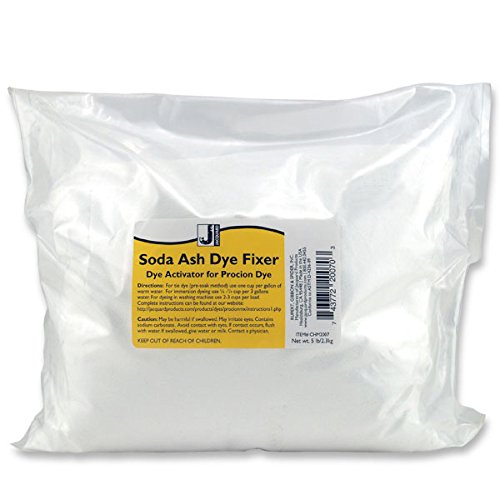
- Helps Procion MX dyes bond permanently
- Dissolves quickly for easy pre-treatment
- Works in dye baths or washing machines
Best For: Pre-treating natural fibers for stronger dye setting
Denim Revival Kit
Rit Back to Blue Denim Dye Kit

- Restores faded denim to rich blue
- Includes dye, fixative, and gloves
- Can overdye clothing darker
Best For: Reviving faded blue clothing and denim
Synthetic Fiber Dye

- Made for polyester and other synthetics
- Dissolvable packet keeps mixing clean
- Works in a simmering pot
Best For: Coloring synthetic fabrics and hard-to-dye objects
General Purpose Dye
Rit All-Purpose Powder Dye Scarlet

- Versatile for garments and household items
- Works in a pot, bucket, sink, or washer
- Non-toxic and septic-safe
Best For: Flexible everyday dyeing with a bold scarlet result
Synthetic Pot Dye

- Colors polyester and nylon
- Dissolvable packet reduces mess
- Also works on plastics and cosplay items
Best For: Dyeing synthetics and mixed hard-to-color objects in a pot
Spray Tie-Dye Kit

- Pre-mixed spray bottles are ready to use
- Eight colors cover group crafts
- Includes beginner instructions and ideas
Best For: Fast, group-friendly fabric coloring without mixing or mess
Natural Blue Dye

- Natural blue powder dye
- Best for wool and silk
- No indigo vat required
Best For: Protein-fiber dyeing with a natural blue finish
Delicate Hand-Dye Choice
Dylon Smoke Grey Hand Fabric Dye 3 Pack

- Hand use for smaller items
- Suitable for wool and silk delicates
- Three-pack with permanent results
Best For: Small projects and delicate fabrics
Versatile Powder Pick
Rit Dye Powder Single Pack, Wine

- All-purpose concentrated powder
- Includes disposable plastic gloves
- Covers up to one pound of dry fabric
Best For: General dyeing and craft projects
Bright DIY Dye Pick
Rit Dye Powder Single Pack, Kelly Green

- Concentrated all-purpose powder
- Includes gloves for dye work
- Handles up to one pound of fabric
Best For: DIY updates and colorful craft projects
Dye Setup Helper – Jacquard Soda Ash Powder for Fabric Dyeing
If you need a fabric dyeing pot setup that helps natural-fiber dyes bond properly, this Jacquard soda ash powder is the prep step to know about. It dissolves quickly and can be used in a dye bath or laundry setup, making it practical for tie dye and other Procion MX projects on cotton, linen, rayon, and similar fibers.
Best For: Pre-treating natural fibers and setting Procion MX dye in a simple, flexible way.
Pros:
- Helps Procion MX dyes bond permanently to natural fibers
- Dissolves quickly for easy pre-treatment
- Can be used in a dye bath or washing machine
- Works on cotton, linen, rayon, and other compatible materials
Cons:
- Not a dye itself, so it does not add color on its own
- Best suited to natural fibers rather than synthetics
For buyers focused on reliable dye results, this is a useful support product rather than the centerpiece. It fits well into beginner and bulk dyeing workflows when you want a straightforward soda ash step for better color setting.
Denim Revival Kit – Rit Back to Blue Denim Dye Kit
When a fabric dyeing pot project is really about bringing faded denim back to life, this Rit kit gives you a clear, targeted route. It includes Bold Blue All-Purpose Dye, ColorStay Dye Fixative, and gloves, so you can revive blue clothing or overdye other items to a darker shade with fewer extra supplies.
Best For: Restoring faded denim or darkening clothing in a simple at-home dye project.
Pros:
- Designed to restore faded denim to a rich blue
- Can overdye clothing of any color to a darker shade
- Includes dye fixative to help reduce bleeding and fading
- Includes gloves for convenience
Cons:
- Most useful for blue-focused results rather than broad color options
- Works on specific compatible fabrics like cotton, linen, nylon, rayon, and silk
This is a practical pick if your goal is color refresh rather than experimental dyeing. The included fixative and focused blue formula make it easy to approach a denim revival project with a more predictable result.
Synthetic Fiber Dye – Jacquard iDye Poly Crimson
If your fabric dyeing pot needs a product made for synthetics, Jacquard iDye Poly is built for that job. It comes in a dissolvable packet you can drop into simmering water, and it is designed to color polyester, nylon, poly/cotton blends, plastics, and other synthetic surfaces with minimal mess.
Best For: Dyeing polyester, nylon, and other synthetic materials in a simmering pot.
Pros:
- Formulated for polyester and many other synthetic materials
- Dissolvable packet reduces messy powder handling
- Simple process: add packet, fabric, and simmer
- Useful for cosplay materials, plastics, and other hard-to-dye items
Cons:
- Color choice is limited to the Crimson version in this listing
- Designed for a simmering pot process, not all dye methods
For synthetic fabric projects, this is one of the more purpose-built options in the group. It makes the pot-based process straightforward and expands beyond fabric to many non-fabric items that are usually difficult to color.
General Purpose Dye – Rit All-Purpose Powder Dye Scarlet
For a fabric dyeing pot setup that needs versatility, this Rit all-purpose powder dye is aimed at a wide range of jobs. It is non-toxic, safe for sewer and septic systems, and can be used with a washing machine, bucket, stainless steel sink, or pot, which makes it a flexible choice for general dye projects.
Best For: Simple all-purpose dyeing when you want a flexible method and a bold scarlet color.
Pros:
- Versatile for garments, household items, and more
- Can be used with a pot, bucket, sink, or washing machine
- Non-toxic and safe for sewer and septic systems
- Powder format is ready for custom dye projects
Cons:
- Less specialized than dyes made for specific fibers
- Color outcome depends on the method and material used
This is the broadest utility pick in the lineup, especially if you want one dye that can handle multiple household or clothing projects. Its main strength is flexibility, making it easy to adapt to the tools you already have.
Synthetic Pot Dye – Jacquard iDye Poly Yellow
If you need a fabric dyeing pot-friendly option for synthetics, Jacquard iDye Poly is built for the job. It comes in a dissolvable packet that goes straight into a pot of simmering water, so you can color polyester, nylon, plastic, and other synthetic surfaces without dealing with loose powder.
Best For: Cosplay makers, crafters, and anyone dyeing polyester, nylon, or plastic items in a simmering pot.
Pros:
- Designed to color almost anything synthetic, including polyester and nylon.
- Dissolvable packet keeps the process cleaner and simpler in a dye pot.
- Works on a wide range of hard-to-dye items like plastics, wigs, toys, and 3D prints.
- Useful for cosplay and other creative projects needing synthetic color.
Cons:
- Best suited for synthetic materials, not general-purpose natural-fiber dyeing.
- Requires a pot and simmering setup to use properly.
For shoppers comparing fabric dyeing pot options, this stands out for synthetic coverage and low-mess handling. It is a practical pick when your project includes polyester or other difficult surfaces and you want a straightforward simmer-and-dye process.
Spray Tie-Dye Kit – Sei Classic 8-Color Spray Kit
This fabric dyeing pot alternative skips the pot entirely and gives you a ready-to-spray tie-dye setup. The bottles come pre-mixed and water-based, so you can move straight into coloring shirts, totes, and other cotton projects with quick cleanup and no measuring.
Best For: Parties, fundraisers, and beginner-friendly fabric projects that need fast, colorful spray application.
Pros:
- Pre-mixed spray bottles are ready to use right away.
- Eight colors support larger group projects and lots of design variety.
- Includes an idea book with step-by-step instructions for beginners.
- Made for easy cleanup and no gloves needed.
Cons:
- Optimized for spray projects, not traditional pot dyeing.
- Best results are tied to heat setting after drying.
For buyers who want an easy fabric dyeing pot-free option, this kit is all about speed and group fun. It is especially handy when you want vibrant color, simple cleanup, and enough supply to cover multiple shirts in one purchase.
Natural Blue Dye – Cape Jasmine Extract Blue
For a fabric dyeing pot project centered on natural fibers, Cape Jasmine Extract offers a plant-based blue dye with a simple powder form. It is made for wool and silk, and one ounce can dye up to a pound of those protein fibers to a sky-blue shade.
Best For: Wool and silk dyers who want a natural blue powder for pot-based projects.
Pros:
- Natural blue dye made from cape jasmine fruit.
- One ounce can dye up to a pound of wool or silk.
- Works as a simpler alternative to making an indigo vat.
Cons:
- Recommended for protein fibers only, not general cotton use.
- Produces very faint colors on cotton.
- Smaller 1 oz package may suit focused projects more than bulk dyeing.
This is a good choice if your fabric dyeing pot is reserved for wool or silk and you want a natural blue result. It is less flexible than synthetic or all-purpose options, but it delivers a targeted solution for protein-fiber dye projects.
Delicate Hand-Dye Choice – Dylon Smoke Grey Hand Fabric Dye 3 Pack
If you need a fabric dyeing pot setup for smaller projects, this Dylon hand dye pack is a practical choice. It’s designed for hand use, so it works well when you want to dye shorts, vests, socks, or delicates like wool and silk without using a machine. The pack includes three 50g dyes and is aimed at permanent results on compatible fabrics.
Best For: Small hand-dye projects, delicates, and lighter household fabric refreshes.
Pros:
- Made for hand dyeing smaller items like shorts, vests, and socks
- Suitable for delicates such as wool and silk
- Three-pack format offers good value for repeat projects
- Can dye up to 250g of fabric to a full shade per pack
Cons:
- Requires salt for effective dyeing
- Best results are focused on cotton, linen, and viscose
- Lighter shades on blends and some synthetics may be less predictable
This is a sensible option if you want a straightforward hand-dye product for smaller loads and delicate fabrics. It is less about large-batch versatility and more about controlled, at-home color changes.
Versatile Powder Pick – Rit Dye Powder Single Pack, Wine
This Rit dye powder is a versatile pick if you want a fabric dyeing pot-friendly option for clothing, décor, or craft work. The concentrated powder is made for all-purpose use and comes with plastic gloves, which is useful for tie-dye, dip-dye, and other hands-on techniques. One package can dye up to one pound of dry fabric, making it a practical single-pack solution for many projects.
Best For: General fabric dyeing, craft projects, and small-to-medium batch color updates.
Pros:
- All-purpose concentrated powder for clothing, décor, and crafts
- Includes disposable plastic gloves
- Works for tie-dye and dip-dye techniques
- One pack can dye up to one pound of dry fabric
Cons:
- Package color reflects 100% white cotton, so results vary by fabric
- Single pack may be limiting for larger repeat jobs
- Best suited to cotton according to the product details
If you want one dye pack that can handle a range of home and craft projects, this is a flexible option. It balances ease of use with enough coverage for typical small-batch dyeing work.
Bright DIY Dye Pick – Rit Dye Powder Single Pack, Kelly Green
For a fabric dyeing pot project that needs a bright, adaptable powder dye, this Kelly Green Rit option fits well. It is a concentrated all-purpose powder intended for clothing, décor, and crafting, and it comes with disposable plastic gloves. Like the other single-pack version, it can dye up to one pound of dry fabric and is suitable for techniques such as tie-dye and dip-dye.
Best For: DIY fabric updates, craft dyeing, and small-batch colorful projects.
Pros:
- All-purpose powder for clothing, décor, and crafts
- Includes plastic gloves for easier handling
- Supports tie-dye and dip-dye techniques
- Can cover up to one pound of dry fabric
Cons:
- Color results are based on 100% white cotton
- Single package may not be enough for larger jobs
- Best material match listed is cotton
This is a practical pick if you want a bright powder dye with broad project use. It offers the same flexible format as the wine version, with color choice being the main difference.
How We Picked These Fabric Dyeing Pot Essentials
We looked for options that support reliable color results, simple preparation, and broad project usefulness. That means favoring products that work well for beginner-friendly home dyeing, repeatable batch work, and common fabric types like cotton, denim, blends, and synthetics. We also considered whether a product helps reduce guesswork around mixing, setting, and rinsing.
Quick Comparison: What Matters Most
Not every Fabric Dyeing Pot setup needs the same features. Some buyers want maximum color control for small batches, while others need a larger, more forgiving setup for tie-dye, garment refreshes, or craft projects. If you are dyeing natural fibers, consistency and heat control matter most. If you are working with polyester or synthetic blends, product compatibility becomes the bigger priority.
Key Buying Factors for a Fabric Dyeing Pot
Size and Batch Capacity
Choose a pot that gives your fabric room to move freely. Crowded fabric tends to dye unevenly, especially with darker shades or multi-step projects. A larger pot is useful for shirts, towels, or repeated batches, while smaller projects can use a more compact setup.
Material and Heat Behavior
A good Fabric Dyeing Pot should handle steady heat without hot spots that can lead to patchy results. Look for cookware that is dedicated to dyeing or easy to keep separate from food use, since dyes and fixatives should not be used in kitchen pots you plan to reuse for cooking.
Fabric and Dye Compatibility
Match the pot setup to the dye type and fabric. Natural-fiber dyes, all-purpose dyes, and synthetic-fiber dyes each have different temperature and processing needs. The best results come from using the right combination rather than forcing one setup to do everything.
Ease of Stirring and Rinsing
Plenty of space for stirring helps color distribute evenly. After dyeing, easy draining and cleaning save time and reduce mess, especially when working with powders, fixers, or darker pigments.
Who Should Buy Which Fabric Dyeing Pot?
If you want dependable results for cotton, denim, or mixed home projects, choose a straightforward setup with enough capacity and a dye that matches your fabric type. If you are experimenting with bright colors, tie-dye, or craft batches, prioritize convenience and simple mixing. If your focus is polyester or synthetic materials, make compatibility your first filter before comparing color.
For most buyers, the best Fabric Dyeing Pot choice is the one that balances size, heat control, and cleanup with the specific dye process you plan to use. That keeps the workflow simple and improves the odds of getting even, repeatable results.