Shibori dyeing rewards the right materials. The best results come from supplies that match your fabric, dye method, and color goals.
This roundup of shibori dyeing supplies focuses on dependable options for beginners and experienced makers, from natural indigo systems to ready-to-use kits and specialty fabrics.
Best 10 Shibori Dyeing Supplies Picks for 2026
Shibori Starter Pick

- 5 shibori-inspired colors
- No soda ash presoak needed
- Includes 4 binding tutorials
Best For: Beginners who want an easy shibori kit with guidance
Natural Vat Essentials

- Three-ingredient vat formula
- Natural indigo grown in the USA
- No instructions or extra supplies
Best For: Experienced dyers setting up a traditional indigo vat
High-Value Color Set
Jacquard Procion MX 8-Color Bundle
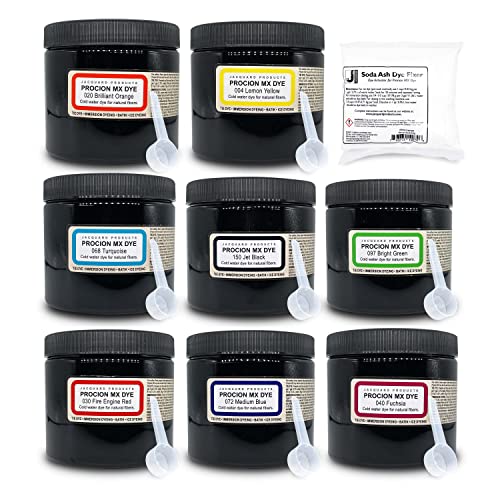
- Eight vivid Procion MX colors
- Includes 8 craft scoops
- Needs soda ash to set
Best For: Dyers who want a broad color range for shibori and tie-dye
Budget Navy Option

- Single navy blue powder dye
- Covers about 3 yards of fabric
- Works on many material types
Best For: Small projects or buyers who only need navy blue dye
Beginner-Friendly Indigo Kit
Indigo & Shibori Natural Dye Kit

- Natural indigo kit with activation and setting agents
- Includes gloves, clamps, cord, bandana, and instructions
- Best on plant-based, lightweight open-weave fabrics
Best For: Beginners and intermediate dyers
Premium Silk Shibori Fabric
60cm Margilan Natural Silk Gauze

- Lightweight white silk with a pearlescent shine
- Works for shibori, eco-printing, and textile art
- Available in 3m, 5m, or 10m lengths
Best For: Dyers and textile artists using silk gauze
Easy All-Purpose Shibori Kit
Rit Indigo Shibori Tie Dye Kit

- All-purpose indigo dye with fixative included
- Works on cotton, silk, wool, rayon, ramie, and nylon
- Includes rubber bands, twine, gloves, and instructions
Best For: Crafters wanting broad fabric compatibility
Premium Silk Dyeing Base
90cm Natural Silk Pongee for Shibori

- Lightweight 4.5mm natural silk pongee
- Easy to dye with natural, multipurpose, and acid dyes
- Works for shibori, eco-printing, and mixed media crafts
Best For: Silk shibori projects and nuno felting
No-Mess Fabric Dye
Jacquard iDye for Natural Fabrics, Black
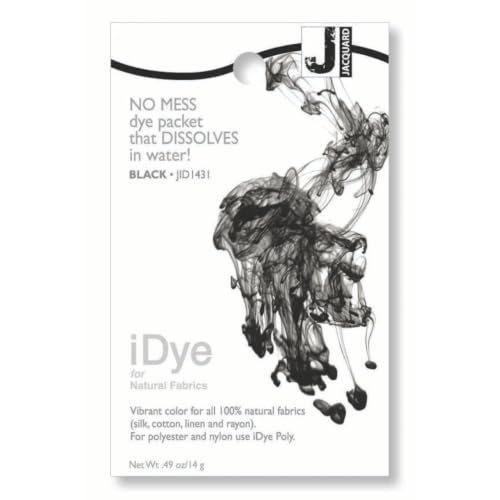
- Dissolvable packet reduces mess and measuring
- Works in a washing machine or stovetop dye bath
- Formulated for cotton, linen, silk, rayon, and viscose
Best For: Clean, easy dyeing on natural fibers
All-In-One Indigo Kit
Honey Oak Indigo Shibori Tie-Dye Kit

- 100% natural indigo-style dye powder
- Includes clips, thread, rubber bands, and apron
- Works on cotton, linen, silk, canvas, and more
Best For: Beginner shibori projects and group activities
Shibori Starter Pick – Tulip One-Step Tie-Dye Kit
If you want shibori dyeing supplies that keep the process simple, this Tulip One-Step kit is built for fast setup. It includes five shibori-inspired dye colors and skips the soda ash presoak, making it a practical choice for beginners or casual makers working with cotton or other natural fibers.
Best For: Beginners who want an easy shibori kit with built-in technique guidance.
Pros:
- Includes 5 shibori-inspired dye colors: Sky Blue, Turquoise, Gray, Black, and Indigo
- No soda ash presoak needed; just add water
- Comes with an inspiration guide featuring 4 Shibori binding technique tutorials
- Works best with 100% natural fiber fabrics like cotton
Cons:
- Designed for natural fibers, so it is not the right pick for synthetics
- Item form is powder, so it still requires mixing before use
This is a straightforward shibori option if you want a guided kit instead of assembling supplies one by one. The color set and included tutorials make it especially useful for learning the basics while keeping setup minimal.
Natural Vat Essentials – Indigo, Iron, and Lime
For makers shopping for shibori dyeing supplies in ingredient-only form, this pack strips the process down to the essentials. It includes indigo, ferrous sulfate, and calcium hydroxide for creating a traditional ferrous indigo vat, which is aimed at plant-based fabrics like cotton and linen.
Best For: Experienced dyers who already want the ingredients for a traditional indigo vat.
Pros:
- Contains only the three ingredients needed for an active ferrous indigo vat
- Includes natural plant indigo extract grown and processed in the USA
- Suited to cotton and linen projects
- Ingredient-only option for buyers who do not need a box or extra supplies
Cons:
- No instructions are included in the package
- Not intended for synthetic fabrics like polyester
This is a focused buy for people who already know how to work a vat or are comfortable using the listing image for guidance. It is less beginner-friendly, but it is a clean way to get straight to a traditional indigo setup.
High-Value Color Set – Jacquard Procion MX 8-Color Bundle
If you need versatile shibori dyeing supplies for cotton and linen, this Jacquard Procion MX bundle is a strong all-around choice. The set includes eight vivid fiber-reactive colors, and the powder is meant to be mixed with tap water for colorfast results on plant-based fabrics.
Best For: Dyers who want a broad color range for shibori, tie-dye, and related techniques.
Pros:
- Includes 8 vivid Procion MX colors, from yellow and orange to jet black
- Works on cotton, linen, and other plant-based fabrics
- Suitable for shibori, ice dyeing, tub dyeing, low water immersion, printing, and direct painting
- Comes with 8 craft scoops for easier measuring
Cons:
- Requires soda ash to activate and set the dye
- Best suited to plant-based fabrics, not synthetics
This bundle is a practical pick if you want one set that covers both shibori and other fabric-dyeing methods. The included scoops and wide color range make it useful for makers who want more control over pattern and palette.
Budget Navy Option – Rit Powdered Fabric Dye
For a simple single-color add-on among shibori dyeing supplies, this Rit powdered dye is a compact navy blue option. The box covers about 1 lb of dry weight or 3 yards of medium-weight fabric, and it can be used on a wider range of materials than cotton alone, including linen, silk, wool, paper, and plastic.
Best For: Small projects or buyers who only need a navy blue fabric dye.
Pros:
- Compact powdered dye box in navy blue
- Covers approximately 1 lb of dry weight or 3 yards of medium-weight fabric
- Works with linen, paper, plastic, silk, and wool
- Made in the United States and conforms to ASTM D4236
Cons:
- Single-color option with no shibori-specific extras
- Smaller 1.4-ounce box than dedicated multi-color kits
This is best viewed as a basic dye choice rather than a full shibori kit. It is useful when you want a straightforward navy powder for smaller jobs or mixed-material projects.
Beginner-Friendly Indigo Kit – Indigo & Shibori Natural Dye Kit
If you want shibori dyeing supplies that make it easier to get started with indigo, this kit bundles the core materials into one beginner-to-intermediate package. It includes naturally derived indigo pigment, activation and setting agents, gloves, a cotton gauze bandana, wood clamps, cotton cord, and illustrated instructions, so you can focus on learning the folding and binding process.
Best For: Beginners and intermediate dyers who want an all-in-one natural indigo starter kit for plant-based fabrics.
Pros:
- Includes indigo pigment plus activation and setting agents.
- Comes with gloves, clamps, cord, and a practice bandana.
- Designed for small natural fabrics and lightweight open-weave materials.
- Can dye up to 5 lbs of fabric or a dozen garments, depending on coverage.
Cons:
- You still need two 5-gallon buckets, a long mixing stick, and hot water.
- Vat needs about 24 hours to mature before dyeing.
- Best results are aimed at plant-based fabrics, not every material.
This is a practical choice if you want a guided introduction to indigo shibori dyeing supplies without sourcing every component separately. The included instructions and bundled tools make it easier to set up a working vat and start experimenting with permanent patterns.
Premium Silk Shibori Fabric – 60cm Margilan Natural Silk Gauze
For makers assembling shibori dyeing supplies around fabric choice, this Margilan silk gauze is a versatile blank base for dyeing and textile art. The lightweight white silk has a pearlescent shine, and the notes say it absorbs natural, multipurpose, and acid dyes for custom results, making it useful for shibori, eco-printing, and nuno felting projects.
Best For: Dyers and textile artists who want lightweight silk gauze for shibori, eco-printing, or wearable art.
Pros:
- Natural white silk with a lightweight, drapey feel.
- Suitable for shibori, eco-printing, paper making, and textile art.
- Can absorb natural, multipurpose, and acid dyes.
- Available in multiple lengths: 3m, 5m, or 10m.
Cons:
- Hand wash only.
- Sold as fabric only, so dyeing supplies must be purchased separately.
- At 60cm wide, it may not suit every large-format project.
This is a strong pick if your priority is the fabric itself rather than a full kit. Its lightweight structure and dye-friendly surface make it a flexible option for delicate shibori work and other surface-design techniques.
Easy All-Purpose Shibori Kit – Rit Indigo Shibori Tie Dye Kit
If you want shibori dyeing supplies that are easy to use across different fabrics, this Rit kit is built around Indigo All-Purpose Dye and a full set of basic accessories. The notes say it works on cotton, linen, silk, wool, rayon, ramie, or nylon, and it also includes rubber bands, twine, gloves, instructions, and ColorStay Dye Fixative to help reduce bleeding and fading.
Best For: Crafters who want a simple shibori kit that works on a wide range of fabric types.
Pros:
- Includes Indigo All-Purpose Dye plus ColorStay Dye Fixative.
- Works on many fabric types, including cotton, silk, wool, rayon, and nylon.
- Comes with rubber bands, twine, gloves, and instructions.
- Non-toxic and safe for sewer and septic systems.
Cons:
- The dye is listed as solid form, which may not suit every user preference.
- Designed for tie-dye/shibori basics rather than specialized fabric or indigo-only setups.
- Includes fewer specialty tools than a more dedicated natural indigo kit.
This kit is a convenient pick for straightforward shibori projects when you want broader fabric compatibility and fewer setup steps. It is especially useful if you already have fabric and just need a reliable dyeing set with the essentials included.
Premium Silk Dyeing Base – 90cm Natural Silk Pongee for Shibori
If you need shibori dyeing supplies that start with the right fabric, this natural silk pongee is a strong choice for surface design and dye work. Its lightweight 4.5mm construction and pearlescent shine make it well suited to shibori, eco-printing, and other fiber art applications where you want color without added bulk.
Best For: Silk-focused shibori projects, nuno felting, and eco-printing where a thin, easy-to-dye fabric is preferred.
Pros:
- Natural silk pongee with a pearlescent shine and very lightweight feel
- Easy to dye with natural, multipurpose, and acid dyes
- Suitable for shibori, eco-printing, paper making, and mixed media crafts
- 3-meter option gives you enough material for larger experimental projects
Cons:
- Not intended for sewing
- Best suited to fiber arts and surface design rather than general garment construction
This is a practical pick if your project calls for a silk base that takes dye well and stays feather-light. For shibori dyeing supplies centered on fabric quality, it offers a versatile starting point.
No-Mess Fabric Dye – Jacquard iDye for Natural Fabrics, Black
For shibori dyeing supplies that prioritize convenience, this Jacquard iDye packet is built for natural fabrics like cotton, linen, silk, rayon, and viscose. The dissolvable packet format keeps the process simple, whether you use a washing machine or a stovetop dye bath, and it is aimed at permanent color for clothing and craft projects.
Best For: Easy shibori, tie-dye, and fabric restoration on natural fibers with minimal mess.
Pros:
- Dissolvable packet design means no measuring or spilled powder
- Can be used in a washing machine or on the stovetop
- Formulated for cotton, linen, silk, rayon, viscose, and other natural fibers
- Good for shibori, garment upcycling, quilting, and home textiles
Cons:
- Designed for natural fabrics, so it is not the right choice for synthetics alone
- Single-color black packet may be limiting for multicolor projects
This is a straightforward option if you want a cleaner, simpler dye process without sacrificing versatility on natural fibers. It fits well in a shibori toolkit for makers who want reliable color with less cleanup.
All-In-One Indigo Kit – Honey Oak Indigo Shibori Tie-Dye Kit
If you want shibori dyeing supplies in a ready-to-use kit, this indigo powder set covers the basics for a beginner-friendly project. It is made from 100% natural sources, includes instructions, and comes with extras like clips, thread, and rubber bands for tie-dye style patterns on fabric and craft items.
Best For: Group craft sessions, beginner shibori projects, and tie-dye style fabric decorating.
Pros:
- Made from 100% natural sources with no chemicals used in the dye
- Works on cotton, linen, silk, canvas, and more
- Includes wooden clips, thread, rubber bands, and an apron
- Instructions are included for easier use
Cons:
- Only one indigo-style color included
- Best suited to tie-dye and craft projects rather than advanced multi-dye setups
This kit is a practical pick if you want a bundled approach instead of gathering pieces separately. It is especially handy when you want shibori dyeing supplies that are simple to share in a group or family activity.
How We Picked These Shibori Dyeing Supplies
We focused on items that fit real shibori projects: dyes that work with common natural fibers, kits that simplify setup, and specialty fabrics that hold folds, stitching, and resist patterns well. We also prioritized clear ingredient lists, practical packaging, and options for different skill levels.
The goal is not to find one universal dye system, but to help you choose the right mix of Shibori Dyeing Supplies for the technique you want to use.
Quick Comparison: What Each Type Is Best for
Some products are better for fast, low-fuss color, while others are better for traditional indigo vat work or high-control patterning. One-step dye kits are convenient for casual tie-dye style shibori. Powdered fiber-reactive dyes are strong choices for cotton, rayon, and linen. Natural indigo kits suit makers who want classic blue tones and a more traditional process. Specialty silk fabrics are best when your project is focused on drape, texture, or mixed-media surface effects.
Key Buying Factors for Shibori Dyeing Supplies
Fabric Compatibility
Match the dye to the fiber. Fiber-reactive dyes are typically best for cellulose fibers like cotton, linen, and rayon. Indigo systems also work well on many natural fibers. For silk projects, look for dyes and fabrics specifically suited to protein fibers.
Process and Setup
Some Shibori Dyeing Supplies are ready to use, while others require measuring, mixing, soaking, or vat preparation. Choose a kit based on how much time you want to spend preparing materials versus dyeing.
Color Outcome
Consider whether you want saturated solids, soft layered blues, or organic variegation. Indigo offers classic depth and character, while reactive dyes often deliver brighter, more predictable hues.
Project Scale
If you are testing techniques, smaller kits can reduce waste. If you plan to dye multiple garments or yardage, larger dye sets and repeatable formulas are usually the better value.
Who Should Buy Which Shibori Dyeing Supplies?
Beginners usually benefit from simple kits that reduce mixing errors and make it easier to learn folding, binding, and immersion timing. Makers who want traditional results should lean toward natural indigo systems. If your priority is versatility across garments and home projects, a fiber-reactive dye set is often the most flexible choice. For textile artists and sewists working on scarves, layering, or surface design, specialty silk fabrics can be just as important as the dye itself.
In short, the best Shibori Dyeing Supplies are the ones that fit your fabric, your technique, and your comfort level with setup. Start with a system you can repeat confidently, then expand as your skills and project goals grow.