Choosing the right shoemaking sole material can make the difference between a quick fix and a repair that actually lasts. The best option depends on the shoe type, wear pattern, and how much grip or flexibility you need.
Below, you’ll find a focused roundup of materials for DIY shoe repair and basic shoemaking projects, with options that suit everything from light heel touch-ups to full sole replacement.
Best 10 Shoemaking Sole Material Picks for 2026
Flexible Rubber Soling Sheet
Black 4 mm Rubber Repair Sheet

- Flexible, durable rubber for repairs or custom shoes
- Diamond pattern helps with anti-slip traction
- 15 x 11 inch sheet trims easily with scissors or a knife
Best For: DIY shoe repairs and custom sole work
Shape-Retention Sole Boards

- Polyester sole boards that absorb glue well
- Tear-resistant and designed to resist delamination
- 1.5 mm sheets cut easily for custom shoe shapes
Best For: DIY builders needing a lightweight, bond-friendly sole board
Thick Rubber Outsole Sheet
6.5 mm Black Heel Repair Material
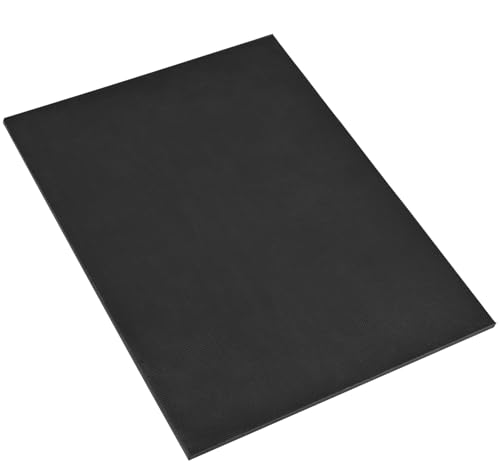
- Thicker 1/4 inch rubber for more substantial repairs
- Diamond tread adds anti-slip traction
- Can be cut down for heel or shoe replacement
Best For: Heavier-duty heel repairs and custom sole replacement
Corrugated Rubber Repair Pad
Cut-to-fit rubber sole sheet for worn shoe bottoms
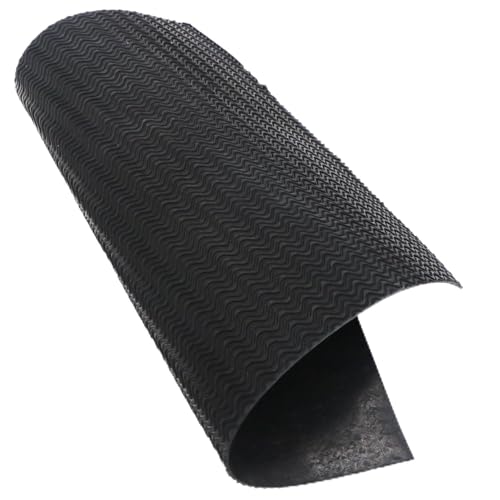
- 37 x 28 cm sheet for custom trimming
- Beef tendon rubber with anti-slip support
- 2.2mm thickness for basic sole repair
Best For: Worn leather soles and general shoe bottom repair
Extra-Thick Rubber Sole Pair
4mm cut-to-size rubber sole replacement with grip

- 4mm thickness adds cushioning
- Textured rubber helps with slip resistance
- Trim-to-fit pair for many shoe types
Best For: Thicker DIY sole replacement with added comfort
V-Shaped Rubber Repair Pad
Trim-to-fit V-shaped sole patch for targeted repairs

- V-shaped pad for localized repairs
- 2.2mm beef tendon rubber material
- Anti-slip and abrasion-resistant design
Best For: Heel and spot repairs on shoes or boots
Slim Non-Slip Repair Sheet

- 1.2mm thick rubber sheet for trim-to-fit repairs
- Diamond pattern adds anti-slip grip
- Good for heels, toe protection, and DIY soles
Best For: Re-soling heels and adding thin protection to shoes
Versatile Full-Sole Patch
Wave Yellow Rubber Replacement Sheet
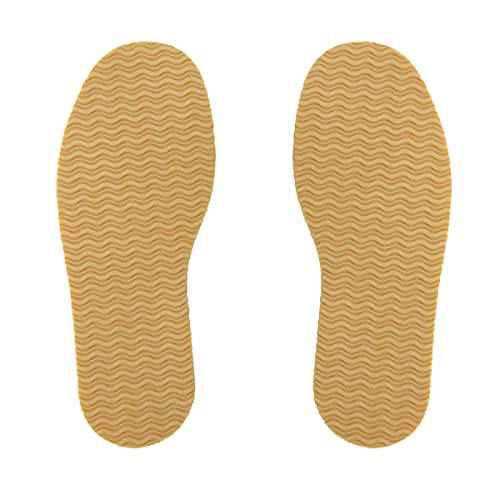
- Durable rubber patch for sole repair and protection
- Anti-slip, wear-resistant, and flexible
- Easy to cut for men’s and women’s shoes
Best For: Cut-to-fit repairs on thin soles
Heavy-Duty Repair Pad
1.8mm Light Khaki Rubber Sole Sheet

- 1.8mm rubber sheet for sturdier repairs
- Diamond pattern for anti-slip performance
- Works on shoes, sandals, slippers, and more
Best For: Worn sole repairs that need a tougher rubber sheet
Flexible Rubber Soling Sheet – Black 4 mm Rubber Repair Sheet
If you want a straightforward shoemaking sole material for repairs or custom builds, this 4 mm rubber soling sheet is a practical option. It’s sized for trimming, features a diamond anti-slip pattern, and is meant to be glued into place for re-soling shoes, heels, or making your own footwear.
Best For: DIY shoe repairs, heel replacement, and custom shoe projects that need a flexible rubber sole sheet.
Pros:
- High-quality rubber designed to be flexible and durable.
- Diamond tread adds anti-slip grip.
- Easy to trim with a sharp knife or scissors.
- Large 15 x 11 inch sheet suits many repair jobs.
Cons:
- Requires shoe glue for installation, which is not included.
- Rubber sheet may need careful cutting for a clean fit.
This is a solid pick if you need a durable rubber sheet that balances comfort, traction, and easy customization. It’s best for users who want a simple repair material rather than a pre-shaped sole.
Shape-Retention Sole Boards – Gray DIY Shoemaking Sheets
For a shoemaking sole material that focuses on support and glue bonding, these sole boards are built for DIY footwear projects. The 1.5 mm polyester sheets are tear-resistant, absorb glue well, and can be trimmed to fit casual shoes, sports footwear, or leather shoes.
Best For: DIY shoemakers who want a lightweight, tear-resistant sole board for shaping and bonding.
Pros:
- Designed for strong bonding and shape retention.
- Tear-resistant polyester construction helps resist delamination.
- Easy to cut with knives or clicker dies.
- Ten-pack format is useful for multiple builds or prototypes.
Cons:
- Thin 1.5 mm construction may not suit heavy-duty outsole needs.
- Gray sheet material is more of a structural board than a finished outsole.
This is a good choice when your project needs a cut-to-fit sole board that bonds well and holds shape. It’s especially useful for builders who want a versatile sheet material for different shoe styles.
Thick Rubber Outsole Sheet – 6.5 mm Black Heel Repair Material
Rubber Soling Sheet for Shoe Soles Repair Boot Heels Replacement, 1/4 Inch Thickness, Black
Check Price On AmazonThis shoemaking sole material is aimed at thicker repairs and replacements where extra rubber underfoot makes sense. At 6.5 mm thick with a diamond anti-slip pattern, it works well for re-soling heels or making your own shoes, though the material is described as a bit stiff before wear-in.
Best For: Heavier-duty heel repairs and custom shoe projects that call for a thicker rubber sole sheet.
Pros:
- Thicker 1/4 inch rubber offers substantial material underfoot.
- Diamond pattern provides anti-slip traction.
- Suitable for re-soling heels or making shoes.
- Can be trimmed to size with a sharp knife or scissors.
Cons:
- Material is a bit stiff at first.
- Shoe glue is not included.
- May take several days of wear to feel more flexible.
If you want more thickness than a standard repair sheet, this rubber option gives you a sturdy starting point. It makes the most sense for projects where durability and traction matter more than immediate softness.
Full Rubber Outsole Pair – Khaki Tire-Grain Replacement Soles
For a complete shoemaking sole material package, this full rubber outsole pair is built for work shoes, safety shoes, and some flat shoes. The 4 mm rubber soles use a middle-deep tire-grain pattern and come in an oversized format that can be cut to the fit you need.
Best For: Full outsole replacement on work shoes, safety shoes, and large flat shoes.
Pros:
- Comes as a full pair for complete sole replacement.
- 4 mm rubber thickness offers a practical balance of durability and flexibility.
- Middle-deep tire grain adds traction.
- Oversized US 13+ format allows trimming to size.
Cons:
- Best suited to larger shoes due to the US 13+ size.
- Not intended for half-sole or heel-only setups.
This is the most complete replacement option in the group if you need a full outsole rather than a sheet. It’s a good fit for practical repair work on footwear that benefits from a traction-focused rubber sole.
Corrugated Rubber Repair Pad – Cut-to-fit rubber sole sheet for worn shoe bottoms
If you want a practical shoemaking sole material for patching worn bottoms, this corrugated rubber sheet is built for simple DIY repair work. It offers a large cut-to-size format, a 2.2mm profile, and a rubber texture designed to help with abrasion resistance and slip reduction.
Best For: Repairing worn leather soles and adding anti-slip protection to everyday shoes and boots.
Pros:
- Large 37 x 28 cm sheet can be cut to match different shoe shapes.
- Beef tendon rubber construction is described as elastic, abrasion-resistant, and anti-slip.
- 2.2mm thickness keeps the repair material relatively slim.
- Suitable for casual shoes, leather shoes, boots, sandals, slippers, and more.
Cons:
- Requires sanding the patch and sole surface first for best bonding.
- Sold as a single sheet, so larger jobs may need careful planning.
This is a straightforward repair sheet for extending shoe life rather than changing the feel of footwear. If your priority is a cuttable sole material that focuses on grip, wear protection, and basic comfort relief, it is a solid option.
Extra-Thick Rubber Sole Pair – 4mm cut-to-size rubber sole replacement with grip
Shoe Sole Repair Rubber Anti-Slip Soles, Boot Sole Replacement 4mm Thick, Cut to Size (1 Pair)
Check Price On AmazonFor a shoemaking sole material that aims to do more than cover damage, this 4mm rubber pair is designed for replacement-style repairs. It can be trimmed to size, adds a cushioned feel, and uses a textured surface to improve traction on everyday footwear.
Best For: DIY shoe and boot sole replacement when you want thicker rubber, better grip, and extra cushioning.
Pros:
- 4mm thickness adds more cushion than thinner repair sheets.
- Rubber build is made for durable, wear-resistant sole replacement.
- Textured design is intended to improve slip resistance and traction.
- Can be cut to fit boots, work shoes, dress shoes, sneakers, sandals, and slippers.
Cons:
- May be thicker than some users want for lightweight repairs.
- Requires trimming to match the shoe or boot shape.
Overall, this is a versatile repair option if you want a more substantial sole material for rebuilding worn footwear. It stands out for thickness and grip, making it a practical choice for shoes that need both protection and a refreshed feel.
V-Shaped Rubber Repair Pad – Trim-to-fit V-shaped sole patch for targeted repairs
If you need a shoemaking sole material for targeted heel or sole patching, this V-shaped rubber pad is sized for focused repairs. It uses the same cut-to-fit approach as a larger sheet, but the V shape may better suit specific wear areas on shoes and boots.
Best For: Targeted sole and heel repairs where a V-shaped patch is easier to place than a full sheet.
Pros:
- V-shaped pad may be convenient for heel and localized sole repair.
- Beef tendon rubber is described as elastic, abrasion-resistant, and anti-slip.
- 2.2mm thickness keeps the patch relatively slim.
- Can be trimmed to fit your shoe or boot needs.
Cons:
- Single pad format offers less coverage than a full sheet.
- Needs surface sanding before sticking for the best bond.
This option is best when you do not need a full sole replacement and want a shaped material that follows the repair area more easily. It is a sensible pick for extending shoe life with a compact, anti-slip patch.
Slim Non-Slip Repair Sheet – 1.2mm Black Rubber Sole Sheet
If you need a simple shoemaking sole material for patching worn bottoms or adding traction, this 1.2mm rubber sheet is built for easy trimming and practical repairs. The diamond-pattern surface is designed for anti-slip grip, while the flexible sheet can curve to fit different shoe shapes.
Best For: Re-soling heels, protecting pointed-toe shoes, and DIY shoe builds that need a thin, cut-to-fit rubber layer.
Pros:
- 1.2mm thick rubber stays slim while still adding sole protection.
- Diamond pattern offers anti-slip performance for everyday traction.
- Flexible sheet can be cut or trimmed easily with scissors.
- Useful for heel repairs, toe protection, and making your own shoes.
Cons:
- Sold as a sheet only, so you’ll need to cut it to size.
- Thin material may not suit repairs that need a heavier sole build-up.
This is a straightforward option if you want a thin, flexible rubber repair sheet for targeted sole work rather than a bulkier replacement material.
Versatile Full-Sole Patch – Wave Yellow Rubber Replacement Sheet
This shoemaking sole material is meant for repair and protection when you want a cuttable rubber patch that adds traction and durability. The 0.15-inch rubber sheet is described as flexible, wear-resistant, and comfortable, making it a practical choice for sole replacement work on everyday footwear.
Best For: Repairing or protecting thin soles on men’s and women’s shoes with a durable, easy-to-cut rubber patch.
Pros:
- High-quality rubber is designed for durability and comfortable wear.
- Anti-slip and wear-resistant for added traction and longer sole life.
- Can be easily cut to fit different shoe sizes.
- Works for replacing or adding thin shoe soles.
Cons:
- Only the rubber patches are included; no repair tools come with it.
- Listed as a 1 pair item, so coverage is limited to patch-style work.
If you want a straightforward rubber replacement sheet for sole repair, this option focuses on the basics: cut, fit, and add grip where your shoes need it most.
Heavy-Duty Repair Pad – 1.8mm Light Khaki Rubber Sole Sheet
For buyers comparing shoemaking sole material, this 1.8mm rubber sheet leans toward sturdier repair work and longer wear. It is made from durable, elastic rubber with a diamond anti-slip pattern, and the product notes also explain how to roughen the surfaces and use shoe glue for a stronger bond.
Best For: Repairing worn or thin soles on leather shoes, cloth shoes, sports shoes, sandals, and slippers.
Pros:
- 1.8mm thickness adds a bit more substance than thinner repair sheets.
- Rubber material is described as durable, wear-resistant, and elastic.
- Diamond pattern improves anti-slip performance.
- Suitable for a wide range of footwear types.
Cons:
- Installation requires trimming, sanding, glue, and a 24-hour wait.
- Light khaki color may not match every shoe style.
This is a strong pick if you want a more substantial repair sheet and don’t mind doing the prep work needed for a better bond and cleaner finish.
How We Picked These Shoemaking Sole Material Options
We prioritized materials that are practical for home repairs, easy to cut and shape, and suitable for common footwear uses. Durability, traction, thickness, flexibility, and overall versatility mattered most, along with whether the material works for boots, casual shoes, or lighter DIY builds.
We also favored options that cover different repair needs, from thin non-slip sheets for minor bottom restoration to thicker rubber soles for heavier wear and replacement work.
Quick Comparison
If you want the fastest way to narrow things down, think in terms of use case: thin sheets are best for trimming and layering, medium-thickness rubber works well for general shoe repair, and thicker sole boards or full-out sole materials are better when you need structure and long-term wear.
For flexible, low-profile fixes, choose thinner sheets. For better shock absorption and traction, choose a thicker rubber sole material. If you’re building or shaping footwear from scratch, a board-style material can give you a sturdier base.
Key Buying Factors for Shoemaking Sole Material
Thickness
Thickness affects comfort, durability, and how much the shoe profile changes. Thin options are easier to work with for light repairs, while thicker materials provide more protection and longer service life.
Grip and Slip Resistance
Look for textured, anti-slip, or corrugated surfaces if traction matters. This is especially important for everyday shoes, work footwear, and boots exposed to wet or smooth surfaces.
Flexibility and Cutability
A good Shoemaking Sole Material should be easy to trim cleanly with common tools. More flexible sheets are useful for curved areas, while stiffer materials help maintain shape under the forefoot and heel.
Durability and Wear Area
Match the material to the part of the shoe being repaired. Heels, toe tips, and outer soles experience different stress levels, so the most durable material should go where abrasion is highest.
Who Should Buy Which Shoemaking Sole Material?
Choose thinner repair sheets if you’re patching worn soles, improving grip, or doing occasional DIY fixes. Choose medium-to-thick rubber if you need a dependable all-around repair for boots and everyday shoes. Choose board-style materials if you want a broader base for custom shoemaking or more structured footwear construction.
In short, the best Shoemaking Sole Material is the one that matches your shoe, your tools, and the level of wear you’re trying to solve. Pick for thickness, traction, and flexibility first, and you’ll get a much better result.