A good tailoring pressing board helps shape garments where a standard ironing board falls short. Sleeves, darts, collars, and curved seams all press cleaner with the right support.
In this roundup, we focus on 10 practical options that can improve accuracy, save time, and give sewing projects a more professional finish.
Best 10 Tailoring Pressing Board Picks for 2026
Compact Precision
Chest & Sleeve Board with Wooden Base

- Sponge-and-cloth padded surface for detailed pressing
- Non-slip bottom and stable tabletop design
- Compact size for easy storage and carrying
Best For: Precise pressing of sleeves, shoulders, cuffs, and curved areas
Solid Oak Build

- Solid red oak construction made in the U.S.A.
- Heat-resistant for sewing and tailoring use
- Compact 30 x 20 cm footprint
Best For: Compact seam pressing and tailoring work
Dual-Surface Utility
Two-Sided Chest and Sleeve Board

- Oval bosom surface plus full sleeve board
- Sits on a standard ironing board
- Padded surface can double as a pin board
Best For: Chest shaping, sleeve pressing, and alteration work
Curved Detail Work
Small Curved Tailor's Ironing Board
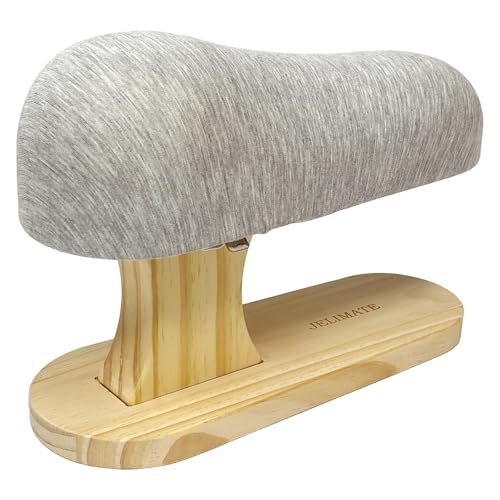
- Curved shape for sleeves, cuffs, and collars
- High-density cotton cover for delicate fabrics
- Solid wood base with compact freestanding design
Best For: Detailed pressing of small curved garment areas
Sleeve Specialist
Reversible Padded Sleeve Board
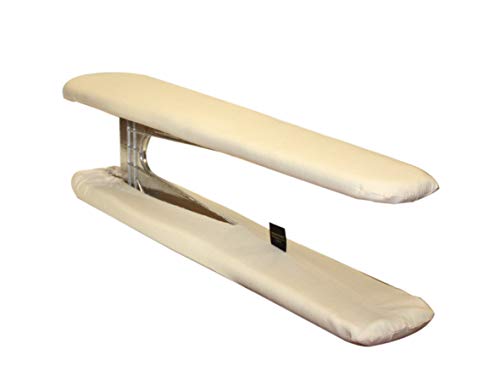
- Reversible top with 3" and 4" nose widths
- Heavy-duty aluminum frame for stable use
- Compact tabletop design for easy storage
Best For: Sleeves, cuffs, shirt arms, and slim pant legs
Tailor’s Detail Board

- Compact board for seams, collars, cuffs, and hems
- Pine wood base with sponge and cloth pad
- Rounded corners help protect delicate fabrics
Best For: Curved seams, small garment details, and portable pressing
Chest and Sleeve Pressing Aid

- Rectangular and narrow oval sides for different areas
- Works for chest, back, sleeves, and small details
- Handcrafted with wood, cotton, sponge, and silk floss
Best For: Mixed pressing tasks and home tailoring detail work
Portable Mini Sleeve Pressing Board
Tailor-Optimized Slender Shape
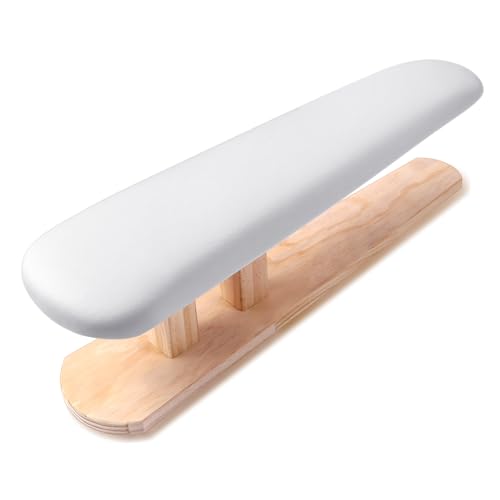
- Narrow shape for sleeves, collars, and trousers
- Thick sponge padding helps reduce heat contact
- Detachable cotton cover is washable and soft
Best For: Tailors, quilters, and travel-friendly detail pressing
Gray Two-Sided Sleeve Board
Handmade Tailor Pressing Surface

- Works well for sleeves, cuffs, shoulders, and curves
- Ash wood base is sanded smooth to reduce snagging
- Cotton-padded cover gives a smooth pressing surface
Best For: Home sewers and tailoring studios
Pink Long Narrow Pressing Stool

- Slim shape fits sleeves, collars, pant legs, and shoulders
- Pine wood base includes a non-slip bottom
- Detachable cover can be washed for reuse
Best For: Sewing rooms and tailoring detail work
Compact Precision – Chest & Sleeve Board with Wooden Base
If you need a tailoring pressing board for sleeves, shoulders, and other tight garment areas, this compact padded board is built for detailed work rather than general ironing. Its sponge-and-cloth padded surface, wooden base, and stable tabletop design make it useful in sewing rooms where control and heat stability matter.
Best For: Sewing and tailoring projects that need precise pressing of sleeves, shoulders, cuffs, and curved sections.
Pros:
- Padded sponge and cloth surface supports detailed pressing work.
- Wooden base is thoroughly sanded for a smoother user experience.
- Non-slip bottom helps keep the board stable during use.
- Compact size is easy to store and carry.
Cons:
- Small work surface is not meant for broad garment panels.
- Designed as a tabletop mount, so it is not a full-size ironing board replacement.
Overall, this is a practical choice if your pressing tasks are mostly focused on smaller or curved garment areas. It prioritizes stability and portability over large pressing capacity.
Solid Oak Build – Solid Red Oak Tailor Board
This tailoring pressing board is a simple, durable option for garment work that calls for a firm surface. Made from solid red oak in the U.S.A., it is sized for sewing, tailoring, and pressing garment seams, with a heat-resistant build that suits routine shop use.
Best For: Sewers and tailors who want a compact, solid-wood board for seam pressing and general garment refinement.
Pros:
- Made from solid red oak for a sturdy feel.
- Heat-resistant construction supports pressing tasks.
- Compact 30 x 20 cm size is easy to place and handle.
- Made in the USA with a limited warranty.
Cons:
- Square shape may be less specialized for curved garment sections.
- Hand wash care may be less convenient than some alternatives.
If you want a no-frills board focused on durability and seam pressing, this model keeps things straightforward. Its solid oak construction makes it feel more like a workshop tool than a general household accessory.
Dual-Surface Utility – Two-Sided Chest and Sleeve Board
For users who want a tailoring pressing board that covers both chest shaping and sleeve work, this two-sided design offers more versatility than a single-purpose pad. It sits on top of a standard ironing board and adds a firm padded surface for pressing curved garment sections, pattern fitting, and alterations.
Best For: Tailors, sewists, and alteration work that needs both a chest surface and a sleeve board in one compact accessory.
Pros:
- Two-sided layout includes an oval bosom surface and a full sleeve board.
- Presses shirt fronts, blouse bodies, and curved sections that flat boards cannot handle well.
- Fits on top of a standard ironing board, so no extra workspace is needed.
- Padded surface can also function as a tailor pin board for fitting and sample-making.
Cons:
- Requires a standard ironing board underneath for use.
- Smaller accessory format may not suit large pressing jobs.
This is a strong pick if you need an add-on board that expands what your existing setup can do. The dual-surface layout is especially useful when pressing curved garment pieces and doing fitting work.
Curved Detail Work – Small Curved Tailor's Ironing Board
This tailoring pressing board is aimed at precision pressing for small, curved, and hard-to-reach garment areas. With a solid wood base and padded cotton cover, it is designed for sleeves, cuffs, collars, bodices, and seams that need careful shaping rather than broad flat pressing.
Best For: Detailed pressing of curved seams, sleeves, cuffs, collars, and small garment pieces.
Pros:
- Curved structure supports precise ironing on hard-to-reach areas.
- High-density cotton surface is suited to delicate fabrics.
- Solid wood base and reinforced structure add stability.
- Compact, freestanding design works well in small spaces.
Cons:
- Small size is not intended for large flat fabric panels.
- Freestanding design may take a little more setup than a tabletop accessory.
For sewists who spend more time shaping details than pressing full garments, this board is a practical fit. It offers a stable, compact platform for refined work in home studios or tailoring spaces.
Sleeve Specialist – Reversible Padded Sleeve Board
If you need a tailoring pressing board that handles sleeves, cuffs, and slim pant legs without crowding the fabric, this reversible sleeve board is built for that kind of detailed work. Its narrow, padded top gives you two nose widths for different garment types, while the compact tabletop design makes it easy to set up and store.
Best For: Dress shirts, jackets, children’s clothing, cuffs, and narrow pant-leg pressing.
Pros:
- Reversible two-sided design with 3″ and 4″ nose widths
- Thick padded surface suits narrow sleeves and wider arms or pant legs
- Heavy-duty aluminum frame resists bending, warping, and wobbling
- Compact tabletop size is easy to move and store
Cons:
- Focused on small garment areas rather than full-size pressing
- Tabletop format may not suit users wanting a standing board
For sleeve-centric garment work, this board offers the practical shape and stability that can make detail pressing easier. The reversible nose widths add flexibility, and the lightweight build keeps it convenient for home or commercial use.
Tailor’s Detail Board – U-Shaped Pressing Block
This tailoring pressing board is designed for detailed shaping work on seams, collars, cuffs, hems, and other small garment areas. Its compact U-shaped form and pine wood base give you a portable pressing surface that can be used at different angles for more precise garment finishing.
Best For: Tailors, clothing designers, and hobbyists pressing curved seams and small details.
Pros:
- Handles shoulder seams, armholes, necklines, hems, and folds
- Compact 33×13×15 cm size is easy to place at different angles
- Made with sponge, cloth pad, and pine wood for a hard, light build
- Rounded corners and smooth touch are designed to be gentle on delicate fabrics
Cons:
- Small size limits use for larger garment panels
- Handmade construction may include slight size variation
If your work centers on shaping and detail pressing rather than broad ironing, this board is a specialized tool that fits the task. It’s especially useful when you want a compact surface for curved seams and finish work.
Chest and Sleeve Pressing Aid – Two-Sided Garment Board
DE-LIANG Chest and Sleeve Ironing Board,Two-Sided Ironing Board Professional Garment Pressing Aide
Check Price On AmazonFor a tailoring pressing board that can handle both broader garment sections and narrow finishing areas, this two-sided design gives you a rectangular side and a narrow oval side. It’s made for pressing chest, back, and sleeves, and it also works well with a garment steamer or as a pin board for tailoring tasks.
Best For: Home tailors and garment pressers who need one board for both larger and smaller sections.
Pros:
- Double-sided design with rectangular and narrow oval surfaces
- Sized to press chest, back, sleeves, and other garment areas
- Handcrafted build uses cotton fabric, sponge, silk floss, and New Zealand wood
- Can be used with a garment steamer or as a tailoring pin board
Cons:
- At 6 pounds, it is less portable than smaller pressing aids
- Freestanding style may take more storage space than a tabletop board
This is a versatile option if you want a pressing aid that covers both structure and detail work. The two-sided shape adds flexibility, while the handcrafted materials give it a sturdy, finished feel for home garment organization.
Portable Mini Sleeve Pressing Board – Tailor-Optimized Slender Shape
If you need a tailoring pressing board for sleeves, collars, and other narrow sections, this compact model focuses on precision over size. The slender shape and thick sponge padding are made to help you press clean creases without fabric bunching, while the wooden base adds stability for everyday use.
Best For: Tailors, quilters, and home users who want a portable sleeve board for detailed pressing.
Pros:
- Tailor-optimized narrow, elongated shape for sleeves, trousers, and collars
- Breathable sponge padding helps protect against heat burns during ironing
- Detachable 100% cotton cover is washable and designed for delicate fabrics
- Handcrafted wooden base with non-slip bottom adds steadiness on the table
Cons:
- Mini size is better for detail work than large garment panels
- Tabletop setup may not suit users who want a full-size ironing board
Overall, this is a practical choice if your pressing work centers on sleeves and other narrow garment areas. Its portable build and washable cover make it especially useful in small sewing spaces or for travel.
Gray Two-Sided Sleeve Board – Handmade Tailor Pressing Surface
This tailoring pressing board is built for narrow garment areas where accuracy matters, such as sleeves, cuffs, shoulders, and curved seams. The two-sided design, cotton-padded cover, and solid wood base aim to give you a stable surface for cleaner pressing results in home sewing or workshop use.
Best For: Sewing enthusiasts and tailoring studios that want a compact sleeve board for precise pressing.
Pros:
- Designed for sleeves, shoulders, cuffs, and other narrow or curved areas
- Handmade ash wood base is finely sanded to help prevent snagging
- Thick cotton-padded cover creates a smooth pressing surface
- Lightweight, space-saving construction is easy to move and store
Cons:
- Compact dimensions make it less suited to larger ironing jobs
- Tabletop mounting means it needs a stable surface for best results
For users who prioritize control on tight garment areas, this board offers a focused, workshop-friendly setup. Its sturdy wooden build and washable-style removable cover make it a sensible everyday tool for tailoring tasks.
Pink Long Narrow Pressing Stool – Multifunction Tailor Board
When you need a tailoring pressing board for sleeves, collars, pant legs, and shoulder pressing, this long narrow design is built for targeted garment finishing. The pine wood base, sponge padding, and cotton cover are all geared toward stable, precise pressing in a sewing room or at home.
Best For: Sewing and tailoring users who want a slim board for versatile detail pressing.
Pros:
- Long, narrow shape supports sleeves, collars, pant legs, and shoulder pressing
- Handmade pine wood construction includes a non-slip base for stability
- Soft sponge and cotton cover help protect fabrics while pressing
- Detachable cover is easy to remove and wash by hand or machine
Cons:
- Mini size is best for detailed pressing, not full-width garments
- Designed more for sewing-room tasks than general ironing
This model makes sense if you want a compact board that handles a range of narrow pressing jobs without taking much space. The washable cover and stable base add convenience for regular use in tailoring or quilting setups.
How We Picked the Best Tailoring Pressing Board
We prioritized pressing surfaces designed for garment shaping rather than general household ironing. That means boards with useful contours, stable bases, firm padding, and covers that support heat and steam without adding bulk.
We also considered portability, size, durability, and whether the shape fits common sewing tasks like sleeve pressing, chest shaping, and seam finishing.
Quick Comparison
Think of these options in three broad groups: compact sleeve boards for narrow work, chest-and-sleeve boards for structured garments, and longer or multifunction boards for studios that need more versatility. The best choice depends on what you press most often and how much space you have.
Key Buying Factors for a Tailoring Pressing Board
Shape and Use Case
Match the board to the garment area you press most. A sleeve board is ideal for cuffs, sleeves, and narrow legs, while a chest board helps with curved seams, princess lines, and shaping around bust or shoulders.
Padding and Surface Tension
Look for firm padding that supports crisp pressing without collapsing under heat and pressure. Too-soft padding can distort seams, while a well-tensioned cover helps prevent imprinting and gives smoother results.
Base Stability and Portability
A solid wood or metal base is helpful if you press frequently. If you sew in a small room, consider a lighter board that is easy to move and store. Stability matters most when you are pressing with firm downward strokes.
Size and Workspace Fit
Choose a size that fits your table, workbench, or sewing station. Larger boards offer more support, but compact models are often easier to place close to the garment without awkward reaching.
Heat Resistance and Cover Quality
Because a Tailoring Pressing Board is used with steam and high heat, the cover should tolerate repeated pressing and be easy to remove or replace if needed. Breathable cotton covers are common and practical.
Who Should Buy Which Tailoring Pressing Board?
Home sewists who mostly handle sleeves, cuffs, and small finishing work should start with a compact sleeve board. If you make jackets, tailored shirts, or structured dresses, a chest-and-sleeve design is usually the better all-around choice.
For studio use, frequent tailoring, or mixed garment work, a larger multifunction board can be the most efficient option because it reduces setup changes and supports more pressing tasks in one place.
If you want the shortest path to better garment finishing, choose the board that matches your most common pressing job first, then the build quality and storage size second.