A well-structured collar depends on the right interfacing. The best fusible interfacing for collars adds body and stability without making the fabric stiff, bulky, or difficult to sew.
We’ve selected 10 options across lightweight, medium-weight, and heavy-weight woven and non-woven materials, including compact cuts and bulk rolls. Use the guide below to match collar structure, fabric weight, application method, and project volume.
Best 10 Fusible Interfacing for Collars Picks for 2026
Reliable Woven Support

- 100% cotton woven interfacing
- Medium weight for light to medium fabrics
- Cut by the yard with continuous yardage
Best For: Structured collars and apparel projects
Lightweight Collar Finish
HeatnBond Ultra Lightweight Interfacing
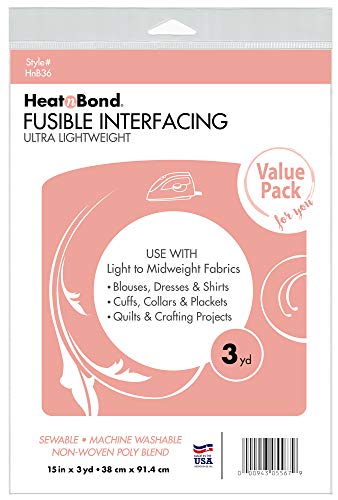
- Ultra-lightweight non-woven construction
- One-sided iron-on adhesive
- 15 inches by 3 yards
Best For: Delicate collars and lightweight garments
Everyday Medium Support
Heat'n Bond 102974 Medium Weight

- Medium-weight iron-on interfacing
- Designed for varied fabric types
- Suitable for apparel, décor, and quilting
Best For: Versatile collar and sewing projects
Heavy-Duty Cotton Structure
PLANTIONAL Heavy Weight Woven Fusible

- 100% cotton woven interfacing
- Heavy-weight support for firm structure
- 10.6 inches by 10 yards
Best For: Sturdy collars, shirts, quilts, and crafts
Best All-Purpose Roll
Medium Weight Fusible Interfacing

- Medium-weight support without unnecessary bulk
- 11.6-inch by 30-yard roll
- Works with silk, denim, collars, and cuffs
Best For: Garments, quilting, and home décor projects
Best Cotton Option
Woven Cotton Fusible Interfacing

- 100% cotton woven construction
- Heat-activated single-sided adhesive
- 10.6-inch by 10-yard roll
Best For: Shirts, blouses, quilts, and cotton-based projects
Best for Large Projects
Lightweight Polyester Interfacing

- Wide 17-inch by 30-yard roll
- Lightweight support for collars and facings
- Washable, breathable polyester construction
Best For: Large garment, quilting, and craft projects
Best Light-Fabric Pick
PLANTIONAL Medium-Weight Interfacing

- Soft, smooth non-woven texture
- White finish suits light fabrics
- 39-by-72-inch project-size piece
Best For: Light to medium-weight collars and garments
Best Heavy-Duty Bolt
ZOMONETI Heavy-Weight Interfacing
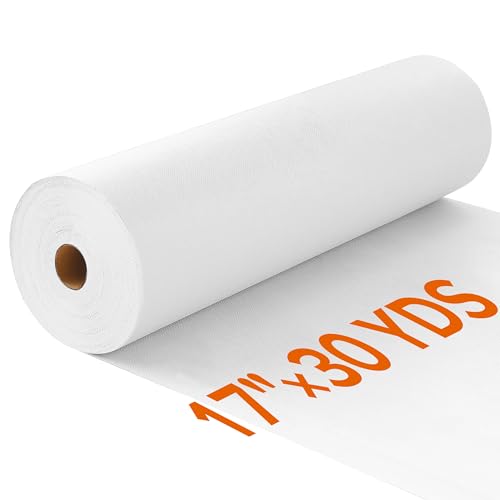
- Heavy-weight polyester support
- 17-inch by 30-yard bolt
- Designed for collars, cuffs, and plackets
Best For: Structured collars and larger sewing projects
Best Bulk Medium-Weight Option
PLANTIONAL 30-Yard Interfacing

- Medium-weight polyester support
- 16.5-inch by 30-yard roll
- Suitable for garments and quilting
Best For: Repeated projects needing moderate structure
Reliable Woven Support – Pellon SF101 Shape-Flex
Pellon SF101 Shape-Flex Fusible medium weight woven interfacing White Sold by Yard
Check Price On AmazonFor shoppers seeking fusible interfacing for collars, Pellon SF101 offers a medium-weight woven cotton option suited to light- and medium-weight fabrics. It is sold by the yard and cut to order, with continuous yardage when multiple quantities are purchased.
Best For: Collars, apparel, and other projects using light- to medium-weight fabrics where woven cotton support is preferred.
Pros:
- Made from 100% cotton woven fabric.
- Designed for light- to medium-weight fabrics.
- Available as continuous yardage for larger projects.
- Machine washable and suitable for tumble drying on low.
Cons:
- Medium weight may add more structure than delicate fabrics require.
- Sold by the yard rather than as a small precut package.
Choose SF101 when you want a washable woven cotton interfacing with enough body for structured collar work and flexible yardage needs.
Lightweight Collar Finish – HeatnBond Ultra Lightweight Interfacing
HeatnBond Ultra Lightweight is a practical choice for fusible interfacing for collars when you want added stability without sacrificing softness or drape. Its non-woven, one-sided adhesive design is intended for lightweight garments and activates with a household iron.
Best For: Lightweight collars, cuffs, plackets, blouses, dresses, quilting, and projects where minimal bulk matters.
Pros:
- Ultra-lightweight non-woven design preserves drape.
- Suitable for lightweight to midweight fabrics.
- Iron-on application avoids basting, pinning, or additional sewing.
- Machine washable and dry cleanable, with minimal shrinkage.
Cons:
- May provide less structure than medium- or heavy-weight options.
- The 15-inch by 3-yard roll may be more material than needed for one small project.
This is a strong pick for soft shirt collars and other delicate pieces that need reinforcement rather than a firm, heavily structured feel.
Everyday Medium Support – Heat'n Bond 102974 Medium Weight
For general fusible interfacing for collars, Heat’n Bond 102974 provides medium-weight iron-on support designed to coordinate with a broad range of fabrics. Its stated uses include apparel, home décor, and quilting.
Best For: Everyday collar construction and sewing projects that need versatile medium-weight reinforcement.
Pros:
- Medium weight works with all types of fabrics according to the product description.
- Suitable for apparel, home décor, and quilting.
- Machine washable.
- Made in the United States.
Cons:
- The supplied notes do not specify the interfacing width or total yardage.
- Medium weight may be less suitable when an especially soft or ultra-light finish is needed.
This compact, general-purpose option makes sense when you want one medium interfacing for collar work and other sewing applications rather than a specialty lightweight product.
Heavy-Duty Cotton Structure – PLANTIONAL Heavy Weight Woven Fusible
PLANTIONAL Heavy Weight Woven Cotton Fusible Interfacing suits shoppers looking for fusible interfacing for collars with substantial structure. The 100% cotton material uses a single-sided adhesive and comes in a generous 10.6-inch by 10-yard size.
Best For: Heavy-duty collars, dress shirts, quilts, and projects requiring durable cotton reinforcement and firm support.
Pros:
- Made from 100% cotton for a stable foundation.
- Heavy-weight construction adds substantial structure.
- 10.6-inch by 10-yard length supports multiple projects.
- Iron-on application and machine-washable performance.
Cons:
- Heavy weight may be too stiff or bulky for lightweight collar fabrics.
- The 10.6-inch width can limit coverage for wider pattern pieces.
- The supplied listing references multiple weight options, so verify the selected weight before ordering.
Consider this roll when durability and firmness matter more than a soft drape, especially for robust shirt, craft, or quilting applications.
Best All-Purpose Roll – Medium Weight Fusible Interfacing
If you need fusible interfacing for collars that adds structure without excessive bulk, this medium-weight, single-sided adhesive roll is a versatile option. Its 11.6-inch width and 30-yard length provide plenty of material for collars, cuffs, plackets, and other sewing projects.
Best For: DIY garments, collars, cuffs, shirt plackets, quilting, and home décor projects requiring medium-weight support.
Pros:
- Medium weight helps maintain fabric stiffness while resisting wrinkles and stretching.
- Suitable for materials ranging from delicate silk to heavy denim.
- 30-yard roll offers ample material for repeated projects.
- Includes illustrated instructions for straightforward iron-on application.
Cons:
- White interfacing may be more noticeable beneath dark or sheer fabrics.
- Its 11.6-inch width may require joining or repositioning for wider pattern pieces.
This is a practical choice when you want one roll for both garment details and general crafting. The medium weight should give collars useful definition while remaining relatively low-bulk.
Best Cotton Option – Woven Cotton Fusible Interfacing
For fusible interfacing for collars with a cotton-based foundation, this woven interfacing offers a smooth, stable layer that can reinforce shirts, blouses, and other garments. The single-sided adhesive is designed to activate with heat, making application simple.
Best For: Cotton-focused garment sewing, dress shirts, blouses, T-shirts, quilts, and projects needing a stable woven support layer.
Pros:
- Made from 100% cotton for a smooth, stable foundation.
- Medium-weight option is suitable for garments such as blouses and dress shirts.
- 10.6-inch by 10-yard size supports multiple projects.
- Machine washable after application, according to the supplied product information.
Cons:
- The 10.6-inch width is narrower than some larger interfacing rolls.
- The listing references multiple weight options, so buyers should confirm the selected weight before ordering.
This option stands out for sewists who prefer cotton woven interfacing and want a stable finish for shirt-style collars. Its moderate roll size is convenient for home sewing without committing to a very large supply.
Best for Large Projects – Lightweight Polyester Interfacing
If you need lightweight fusible interfacing for collars across many garments or larger sewing projects, this 17-inch by 30-yard polyester roll provides generous coverage. Its non-woven construction is designed to strengthen fabric and add support without making the finished piece feel bulky.
Best For: Lightweight collars, shirt plackets, cuffs, handbags, pockets, waistbands, quilting, and medium-to-large DIY projects.
Pros:
- Wide 17-inch format is useful for larger pattern pieces and repeated projects.
- Lightweight polyester construction adds support without much added bulk.
- Suitable for collars, facings, cuffs, plackets, knits, and various garment fabrics.
- Machine washable and designed to offer breathability.
Cons:
- Lightweight support may not provide enough firmness for very structured collars.
- As a non-woven interfacing, it may provide a different hand from woven alternatives.
- White color may be less suitable for dark or transparent fabrics.
This is the strongest fit when width and quantity matter. Choose it for lightweight collar support and broad sewing versatility, but consider a heavier interfacing if your collar design requires pronounced stiffness.
Best Light-Fabric Pick – PLANTIONAL Medium-Weight Interfacing
For shoppers comparing fusible interfacing for collars, this medium-weight PLANTIONAL option is a practical choice when you want gentle support without excessive stiffness. Its white, smooth non-woven surface is especially suited to light-colored fabrics, and the single-sided adhesive bonds with a household iron.
Best For: Light to medium-weight collars, garments, quilts, and other projects where a clean white finish and moderate structure are useful.
Pros:
- Smooth, soft non-woven texture adds support without much bulk.
- White color blends well with light-colored fabrics.
- 39-by-72-inch size provides material for multiple projects.
- Heat-activated adhesive is straightforward to apply with an iron.
Cons:
- Its medium weight may provide less firmness than a heavy-weight collar interfacing.
- The white color may be less suitable for dark or transparent fabrics.
This is a sensible everyday option for collars that need added stability while retaining a softer hand. Choose it when moderate reinforcement and a manageable project-size piece matter more than maximum structure.
Best Heavy-Duty Bolt – ZOMONETI Heavy-Weight Interfacing
If you need fusible interfacing for collars that calls for stronger reinforcement, ZOMONETI’s heavy-weight polyester option offers a substantial 17-inch-by-30-yard bolt. The single-sided adhesive is designed for ironing onto the fabric’s wrong side, while the non-woven material supports collars, cuffs, plackets, and facings.
Best For: Larger sewing projects and structured collars, cuffs, waistbands, shirt plackets, garments, and craft items.
Pros:
- Heavy-weight construction adds noticeable stability and support.
- Large 30-yard bolt suits medium to large projects and repeated use.
- Polyester non-woven material is washable and breathable according to the supplied details.
- Versatile for collars, cuffs, pockets, handbags, quilting, and other sewing projects.
Cons:
- Heavy weight may be too firm for lightweight or drapey collar fabrics.
- A 17-inch width may require joining or careful layout for wider pattern pieces.
- Application requires attention to adhesive-dot orientation and placement on the wrong side.
With its heavy weight and generous yardage, this is the most production-oriented choice in the group. It makes sense when collars need stronger structure or when you want one bolt for many garments and craft projects.
Best Bulk Medium-Weight Option – PLANTIONAL 30-Yard Interfacing
For makers who need fusible interfacing for collars across multiple projects, this PLANTIONAL medium-weight roll combines a soft polyester feel with a 16.5-inch-by-30-yard length. Its single-sided, heat-activated adhesive is intended for straightforward iron-on application and its medium support works across garments, quilting, and home décor projects.
Best For: Repeated collar construction, larger garments, quilting, and general-purpose projects needing moderate structure.
Pros:
- Generous 30-yard length is useful for multiple projects.
- Medium weight balances softness with added body and structure.
- Soft polyester surface offers a smooth feel.
- Designed to retain integrity through washing and regular use.
Cons:
- Its 16.5-inch width may be limiting for wider pieces.
- Medium weight may not deliver the firmness needed for heavily structured collars.
- Supplied details do not specify a color beyond the product’s white description, which may limit fabric matching.
This roll is a strong value-oriented fit for sewists who expect to make many garments or smaller collar pieces over time. Select it when you want medium support and substantial yardage rather than a heavy-duty finish.
How We Picked the Best Fusible Interfacing for Collars
We compared these products by examining their stated weight, construction, dimensions, and intended sewing applications. Woven interfacing generally preserves more fabric-like flexibility and is a strong choice for tailored collars. Non-woven styles can be economical, easy to cut, and suitable for many shirts, crafts, and lightweight garments.
We also considered whether each option is appropriate for small projects or frequent garment sewing. Product descriptions and specifications should always be checked before purchase, especially for fiber content, fusible side, care instructions, and recommended pressing temperature.
Quick Comparison
- Lightweight non-woven: Best for soft blouses, thin cottons, and collars that need subtle support.
- Medium-weight woven: A versatile choice for shirts, dresses, quilting cotton, and structured everyday collars.
- Medium-weight non-woven: Useful when you want affordable, consistent reinforcement with simple application.
- Heavy-weight options: Better for jackets, sturdy outerwear, bags, and collars requiring pronounced structure.
- Small cuts: Practical for occasional sewing or testing compatibility.
- Large rolls: More economical for production sewing, costumes, alterations, or multiple garments.
Key Buying Factors for Fusible Interfacing for Collars
Weight and Fabric Compatibility
Choose an interfacing that supports the garment fabric rather than overpowering it. Lightweight fabric usually calls for lightweight interfacing, while medium-weight shirting often pairs well with medium-weight woven or non-woven material. Heavy interfacing can create a collar that looks rigid and may cause unwanted lines at the seam.
Woven Versus Non-Woven Construction
Woven interfacing tends to drape and move more like fabric, making it useful for high-quality tailored collars and areas that need controlled flexibility. Non-woven interfacing is often easier to cut in any direction and can provide economical, even reinforcement. Either type can work well when its weight matches the fashion fabric.
Fusible Application and Testing
Check whether the product is single-sided and follow its pressing directions. Always test a small scrap first. Use a pressing cloth when appropriate, apply heat and pressure without sliding the iron, and allow the fused piece to cool before handling. This helps prevent bubbles, shine, adhesive transfer, and incomplete bonding.
Size, Coverage, and Value
Measure the collar pieces and account for pattern layout, grain direction where relevant, and possible mistakes. Yardage is convenient for occasional projects, while 30-yard rolls can offer better value for frequent sewing but require suitable storage.
Who Should Buy Which Fusible Interfacing for Collars?
Choose a lightweight option for delicate blouses, thin cotton, rayon, and relaxed collars. Choose a medium-weight woven option if you want balanced support, a more natural hand, and dependable structure for everyday shirts. Choose medium-weight non-woven interfacing for economical garment sewing and projects where directional grain is less important. Choose a heavy-weight product for coats, denim, canvas, bags, or sharply structured collars.
If you are unsure, buy the closest matching weight, test it on fabric scraps, and compare the fused fabric with the unfused version before cutting the final collar.